

On October 27, 2026, the Ministry of Ecology and Environment of China (MEE) released a draft revision to the Regulations for the Administration of the Recovery and Disposal of Waste Electric and Electronic Products for public consultation (hereinafter referred to as “the Draft Regulations”). The Ministry also published a proposed revision to the rules governing hazardous waste business licenses. Comments on both documents are due by November 25, 2026. The revisions aim to align existing requirements with China's Ecological and Environmental Code and strengthen environmental management of waste electrical and electronic equipment (WEEE).
Background and Purpose of the Revision
The Regulations were originally issued in February 2009, took effect on January 1, 2011, and were subsequently amended in 2019. They established a regulatory framework for WEEE collection and treatment, including multiple collection channels, centralized treatment and a qualification licensing system for treatment operators.
The Regulations apply to waste electrical and electronic products included in China's official WEEE Treatment Catalogue. Treatment activities cover dismantling, material recovery and other processes intended to reduce waste quantities or eliminate hazardous components. Product repair, refurbishment and subsequent reuse as second-hand goods are excluded from the definition of treatment.
The latest revision responds to developments in China's waste management framework, particularly the adoption of the Ecological and Environmental Code and recent national policies on solid waste management and resource recycling.
According to the drafting explanation, the proposal revises 14 articles and adds one new article, bringing the Regulations to 36 articles across five chapters. The changes focus on producer responsibility, alignment with environmental management systems and stronger enforcement.
Key Changes under the Proposed Revision
The most significant change for manufacturers concerns extended producer responsibility (EPR). Under the existing Regulations, producers are encouraged to establish systems for collecting discarded electrical and electronic products. The proposed revision would turn this encouragement into a mandatory obligation.
Manufacturers would be required to establish and publicly disclose collection systems proportionate to their product sales volumes, in accordance with national requirements. They could operate these systems directly or through distributors, repair businesses, after-sales service providers and WEEE collection operators. Collected products requiring treatment must be transferred to appropriately qualified treatment enterprises.
The proposal also retains requirements for manufacturers and importers, or their relevant agents, concerning pollution control, product design that facilitates recycling, and the disclosure of hazardous substance and recycling information.
Another important revision concerns the relationship between WEEE management and China's broader environmental regulatory framework. The Draft Regulations update their legal basis to the Ecological and Environmental Code and clarify how treatment operators' data reporting and environmental monitoring responsibilities interact with existing pollutant discharge permitting and environmental monitoring systems.
The licensing framework for WEEE treatment operators would remain in place. However, the revision strengthens oversight by addressing regulatory gaps concerning the illegal transfer of treatment qualification certificates and treatment activities conducted outside authorized conditions.
Legal responsibilities would also be reinforced. Notably, manufacturers that fail to establish and publicly disclose the required collection systems could face fines of RMB 50,000 to RMB 500,000 if they refuse to comply after being ordered to correct the violation. The proposal also clarifies penalties for violations involving treatment qualifications and environmental management.
Implications for Manufacturers
For electrical and electronic product manufacturers operating in China, the proposed shift from voluntary encouragement to a mandatory producer take-back obligation is the key development.
Manufacturers may need to review their existing collection arrangements and cooperation with distributors, service providers and qualified recycling operators. Businesses importing electrical and electronic products should also pay attention to the continuing requirements concerning product pollution control and information disclosure, while distinguishing these obligations from the proposed producer-specific collection requirements.
The Draft Regulations remain under public consultation and do not yet establish new enforceable obligations. No implementation date has been specified. Manufacturers and other stakeholders should monitor the final text and subsequent implementation measures to assess how the revised framework may affect their operations in China.


Top Read Articles
Switch articles-
 12-November-2026
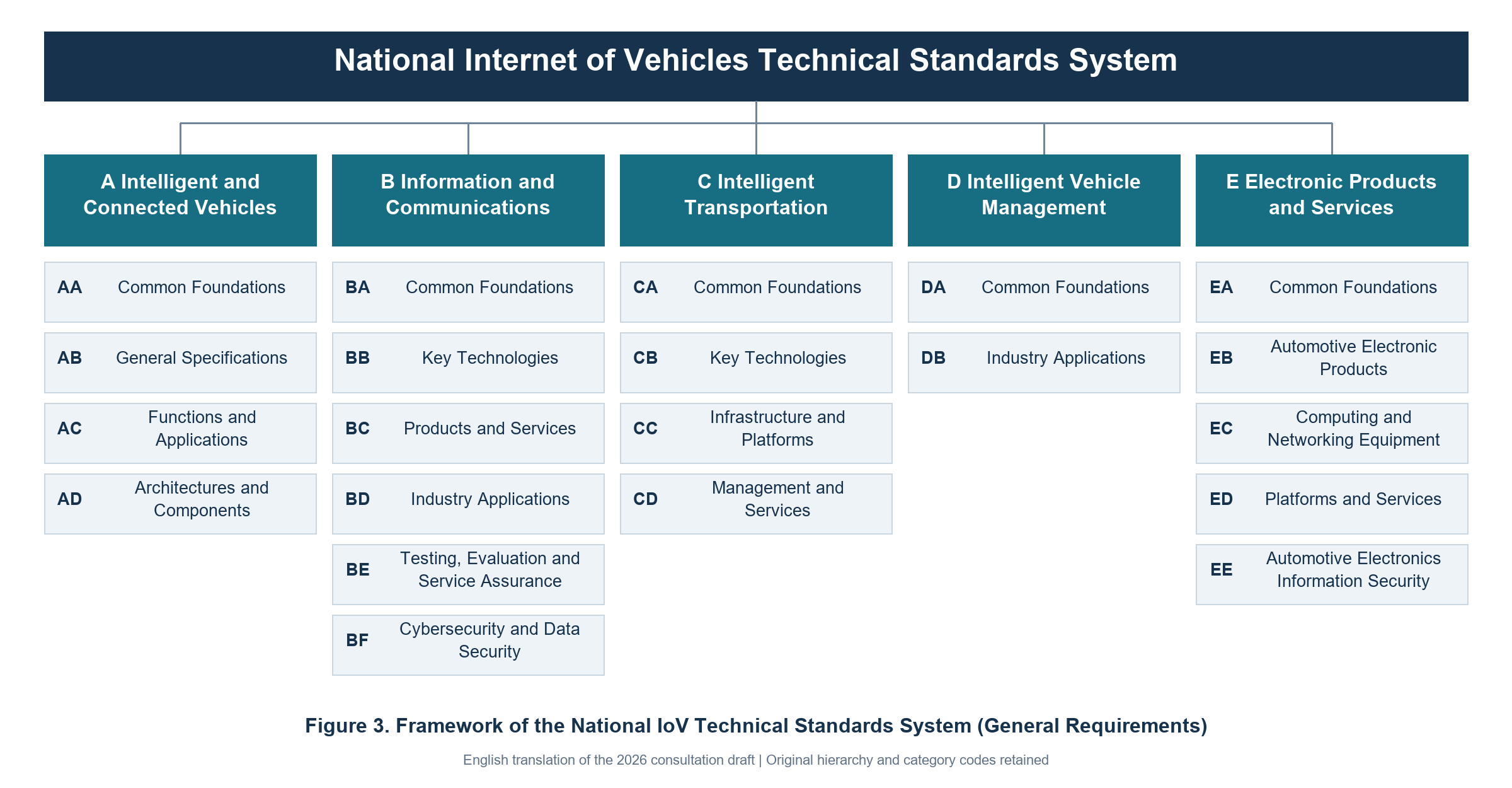
China Proposes Updated Internet of Vehicles Standards Roadmap Through 2030
-
 11-November-2026
China’s MIIT Establishes Industrial Software Standards Committee
-
 11-November-2026
China’s Draft Mandatory Vehicle Data Security Standard: Implications for Automotive Chip and Connectivity Suppliers
-
 10-November-2026
China Sets New Mandatory Vehicle Geospatial Data Security Requirements
-
 10-November-2026
China Implements 4 Revised Mandatory Toy Safety Standards