

On 18 September 2026, the Secretariat of SAC/TC 260, China's national technical committee for cybersecurity standardization, released the Cybersecurity Standards Practice Guidelines: Security Guidelines for Agentic AI System Development (Draft for Comments) for public consultation, with feedback due by 2 October 2026.
The draft builds directly on GB/T 45654-2025 Basic Security Requirements for Generative Artificial Intelligence Services, a national standard published on 25 April 2025 and effective since 1 November 2025. The two documents are meant to work together, but they serve different purposes:
GB/T 45654-2025 targets providers of generative AI services. It sets baseline security requirements for training data, models, and security measures, and supports regulatory filing and third-party security assessments.
The new draft guide targets developers of LLM-based software agentic systems. It provides security guidance across five development phases (preparation, design, implementation, testing, and release) and can serve as a reference for future evaluation activities. It requires developers to use models that conform to GB/T 45654-2025, which extends the standard's baseline into agentic system development.
Systems whose main function is controlling physical devices, such as robots or autonomous vehicles, are not covered.
Key risks addressed. The draft focuses on risks specific to agentic AI, including prompt injection, context pollution, memory abuse, tool invocation risks, autonomous decision-making risks, multi-agent collaboration risks, and cascading failures. Its guidance follows six principles: risk orientation, graded control, human controllability, defense in depth, full-chain traceability, and continuous optimization.
Key requirements by development phase:
Preparation: Define what the agent may and may not do, including its autonomy scope, accessible resources, and prohibited actions, and produce a risk register and a list of high-risk operations.
Design: Set trust and priority rules among system instructions, developer configurations, and user inputs. Design isolation and integrity controls for context and memory, with authorization required before writing to long-term memory.
Implementation: Apply least-privilege controls to external capabilities such as tools, plugins, APIs, and Model Context Protocol (MCP) services. Set execution limits on steps, model calls, and resource consumption. Require human confirmation or rollback for irreversible operations, and run agents in sandboxed environments. The draft also requires supply chain documentation, including software bills of materials and AI component inventories.
Testing: Conduct adversarial tests covering prompt injection, cross-user memory leakage, privilege escalation, and multi-agent risks.
Release: Complete a pre-launch security assessment as a release gate, and use phased or gray releases for high-risk systems.
Although practice guidelines are not binding, technical documents issued by TC260 carry practical weight in regulatory assessment. A clear precedent is TC260-003 Basic Security Requirements for Generative AI Services; a Practice Guide published in 2024 that served as the technical basis for the security assessments required for generative AI service filings under the Interim Measures for the Administration of Generative Artificial Intelligence Services.
For foreign companies, this draft is worth a look as a snapshot of how China's industry practice on agentic AI security is taking shape. Companies may find it useful to compare the draft's lifecycle requirements with their own development processes, particularly in areas such as model selection, permission design, human oversight, and supply chain documentation, to stay informed of where Chinese assessment expectations may be heading.
If you have any question or need further assistance such as obstaining the English translation of the practice guidelines, please reach us at: info@bestao-consulting.com

Top Read Articles
Switch articles-
 17-November-2026
China Consults on Six National Standards for Identifying Important Data
-
 16-November-2026
China’s MIIT Sets Out Industrial Carbon Control Framework with 400 Product Footprint Rules and Standards
-
 15-November-2026
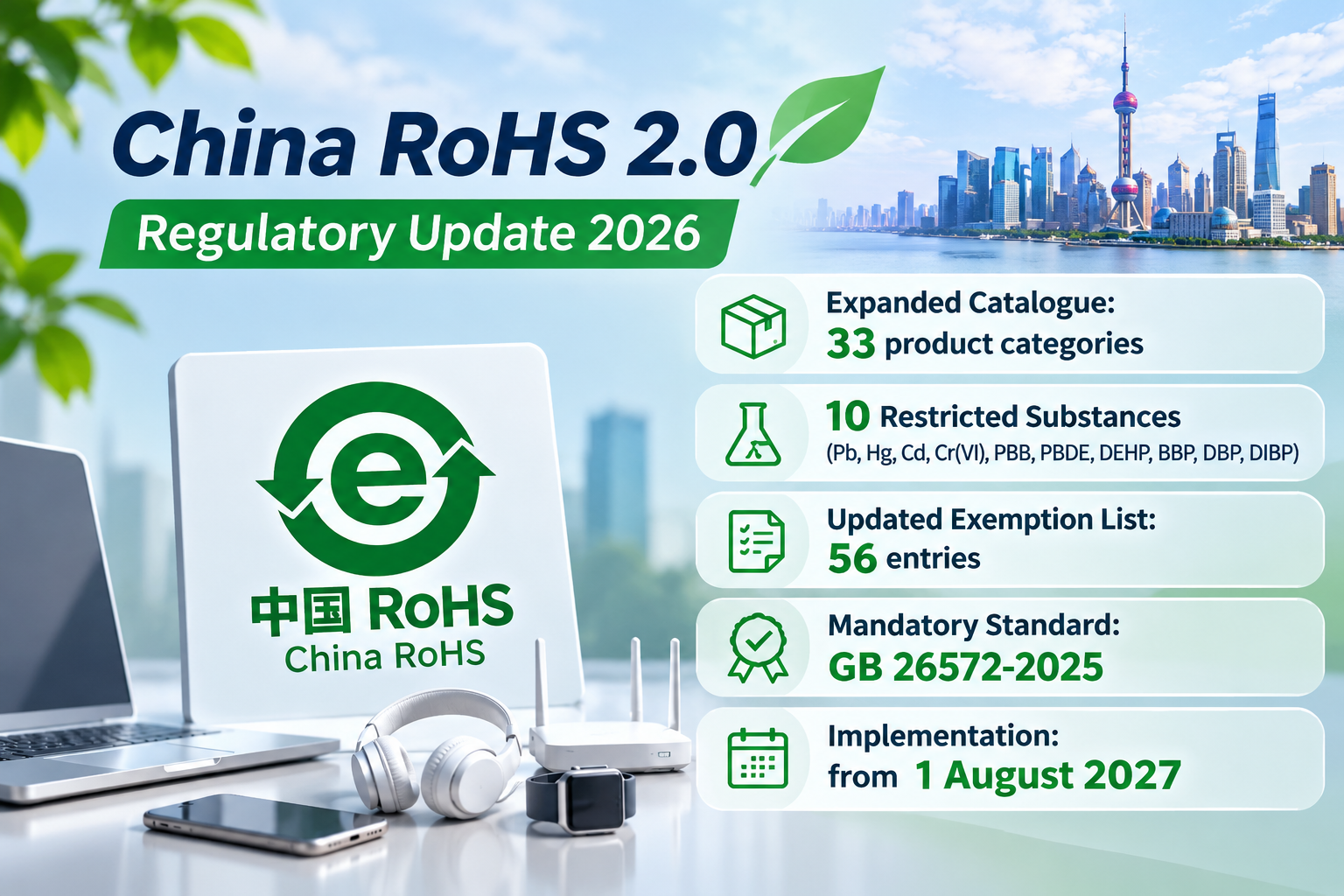
BESTAO Regulatory Update - China RoHS Enters a New Era
-
 12-November-2026
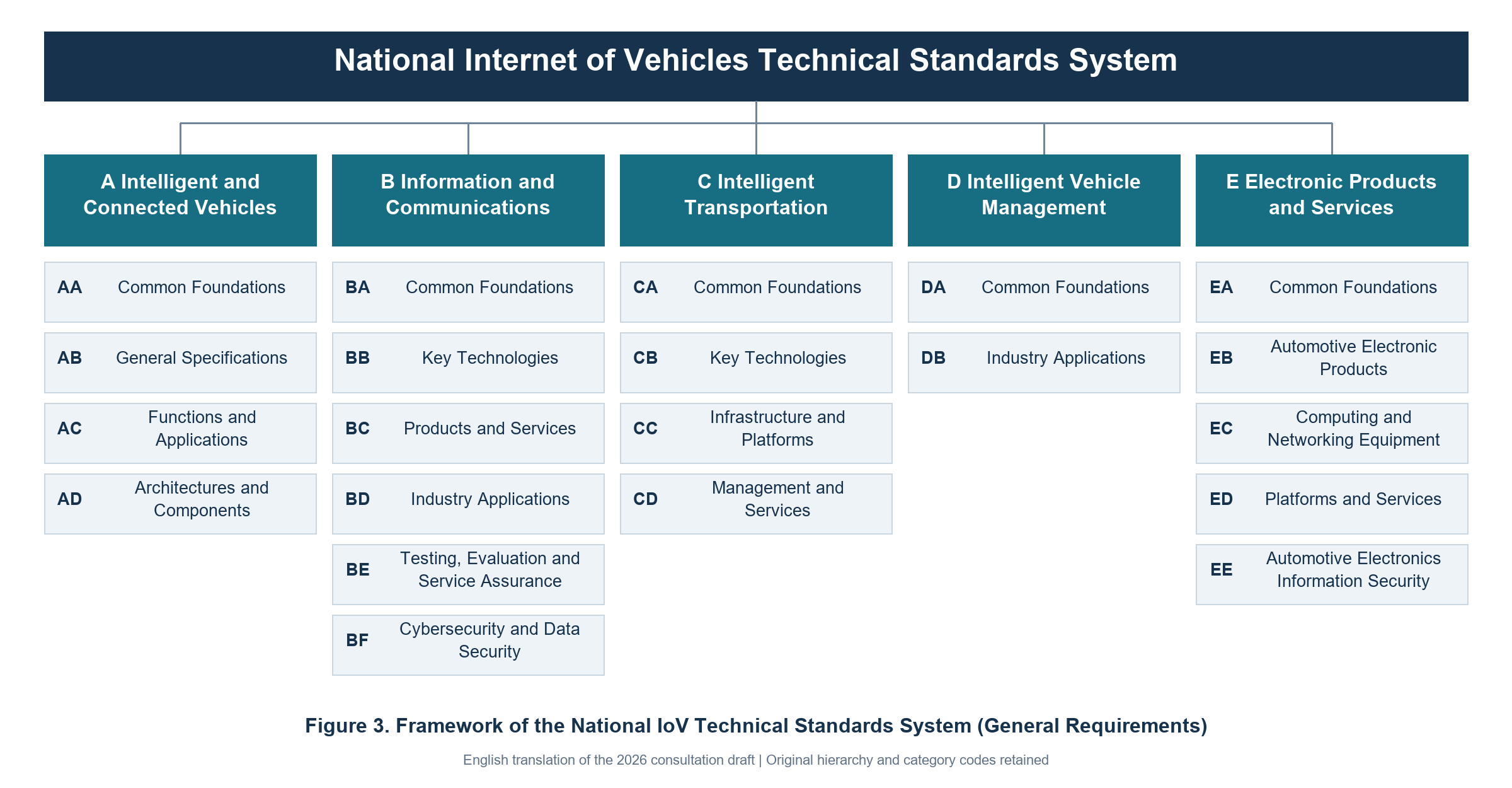
China Proposes Updated Internet of Vehicles Standards Roadmap Through 2030
-
 11-November-2026
China’s MIIT Establishes Industrial Software Standards Committee